


Recent Blog post
Saat ini semua orang memiliki kesibukan yang luar biasa, meskipun di
rumah terkadang kesibukan membuat
kita lupa untuk merawat dan
menjaga kecantikan.
Cara Merawat dan Menjaga Kecantikan Setelah Melahirkan
Bagi Anda yang menginginkan bibir tipis tanpa
melakukan operasi kini ada cara untuk mewujudkannya. Selain melakukan operasi, Anda
masih bisa mendapatkan bibir yang tipis dengan cara menjaga kesehatan serta
kelembaban bibir Anda.
Cara Membuat Bibir Tipis Secara Alami
Kita sering merasakan wajah kita
terasa berminyak setelah melakukan aktivitas atau bahkan setelah membersihkan
muka, wajah kita tetap saja berminyak.
10 Manfaat Air Hangat untuk Mengatasi Wajah Berminyak
Ingin memiliki wajah yang bersih dan cerah berseri
seperti para bintang iklan?
Mau tahu bagaimana caranya?
Caranya cukup
mudah, kamu dapat menggunakan
rendaman air teh. Air Teh? Terkejut bukan, ternyata selain minuman ini menjadi
minuman pembuka di pagi hari dan juga rasanya yang manis jika ditambah gula,
Rendaman air teh atau ampas teh ini memiliki banyak sekali manfaat untuk membuat kulit wajah kamu cantik alami.

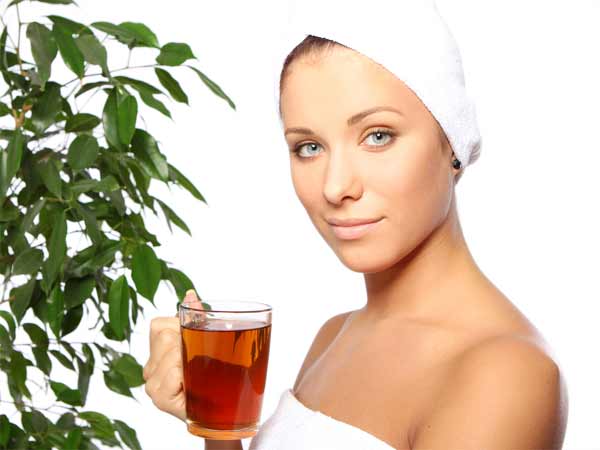
Rendaman air teh mengandung Vitamin E yang baik untuk kesehatan kulit wajah. Lalu apa saja manfaat rendaman air teh untuk wajah? Simak penjelasan berikut ini :
Baca juga: Cara Memutihkan Wajah Secara Alami
Baca juga: Apa Saja Penyebab Jerawat? Yuk, Cari Tahu Sebabnya!
1. Mengatasi Jerawat
Jerawat merupakan masalah umum yang dibenci oleh siapapun dan
parahnya ini sering terjadi oleh kita. Jerawat juga membuat kita jadi tidak
percaya diri karena dapat merusak penampilan wajah kita. Jadi, bagaimana cara
mengatasinya?
Siapkan rendaman air teh yang sudah didiamkan semalaman,
sehingga ini bisa disebut juga Teh Basi. Setelah itu oleskan atau basuhkan saja
ke wajah. Jika dilakukan ini 3x dalam seminggu, maka akan mendapatkan hasil
yang maksimal.
Hal ini karena Teh Basi memiliki khasiat sebagai
Anti-Inflamasi. Anti Bakteri dan Anti Septik yang terkandung di dalamnya dapat
menghilangkan bakteri yang menjadi penyebab utama munculnya jerawat di wajah
kita.
2. Menyejukan Kulit Wajah
Karena rendaman teh yang telah didiamkan selama semalaman memiliki khasiat
sebagai Anti-Inflamasi, Teh Basi ini juga dapat menyejukan kulit wajah kita.
Bagaimana caranya?
Caranya cukup mengompreskannya pada wajah kamu. Bisa
menggunakan kapas yang telah dicelup kedalam teh basi, kemudian oleskan pada
wajah kita. Wajah kita pasti
akan merasa lebih
sejuk dan rileks.
3. Pembersih Wajah
Hanya cukup membilaskannya pada wajah kita di pagi hari dan
menjelang tidur, Teh Basi ini dapat menghilangkan bakteri yang ada di wajah
kita termasuk bakteri penyebab jerawat. Lakukan saja secara rutin setiap
harinya agar mendapatkan hasil yang maksimal.
4. Menjadi Tabir Surya
Apakah kamu termasuk orang yang sering melakukan aktivitas
diluar dan terpapar langsung sinar matahari? Sinar UV (Ultraviolet) tentu tidak
baik untuk kesehatan kulit. Maka dari itu, kulit kita membutuhkan Tabir Surya
untuk menangkal Sinar UV tersebut.
Saat ini ada banyak tabir surya yang dijual di pasaran.
Tetapi, dengan Teh Basi ini kamu bisa manfaatkannya untuk menangkal sinar
Ultraviolet karena dipercaya lebih aman dan tidak meninggalkan efek samping
apapun pada kulit kita.
5. Menghaluskan Kulit Wajah
Cukup basuhkan pada wajah kita Teh Basi tersebut di pagi hari
setelah bangun tidur. Kulit wajah kamu akan tampak halus dan tidak kusam.
Lakukan secara rutin untuk halus tampak alami.
6. Mengencangkan Kulit Wajah
Manfaat rendaman air teh yang sudah diendapkan semalaman juga bisa menjaga
keelastisan kulit wajah, sehingga tidak terlihat kendur. Teh Basi ini juga
dipercaya dapat mencegah terjadinya penuan dini.
7. Mengatasi Ruam Kemerahan Pada Wajah
Ruam merah dapat timbul karena gigitan nyamuk, bekas
menggaruk atau lainnya. Tapi tenang, membasuhkannya dengan Teh Basi dapat menghilangkan ruam merah pada Kulit wajah Kita. Gunakan saja kapas yang sudah dicelupkan pada
Teh Basi itu kemudian oleskan pada ruam merah tersebut.
8. Melembabkan Kulit Wajah
Selain mengencangkan kulit wajah, Teh Basi juga dapat melembabkan
kulit wajah. Caranya basuhkan Teh
Basi pada wajah kita setelah bangun dari tidur.
Kemudian bilas dengan air hangat agar kulit wajah kita tampak lembut dan cerah.
9. Mencerahkan Kulit Wajah
Teh mengandung Vitamin E yang bermanfaat untuk kesehatan dan
kecantikan kulit. Meskipun sudah basi, tapi kandungan Vitamin E pada Teh akan
tetap masih ada. Karena Vitamin E dapat mencerahkan kulit wajah dan juga
membuat kulit tetap elastis sehingga terlihat awet muda.
Tak hanya itu. Vitamin C yang ada dalam kandungan Teh Basi
ini ternyata lebih banyak 508x dibandingkan dengan kandungan Vitamin C pada
Lemon.
Ketahui cara membuat Teh Basi adalah tidak menggunakan Air
Teh, melainkan menggunakan Ampas Teh yang telah didiamkan selama semalaman.
Cara penggunaanya adalah dengan menggunakannya sebagai Scrub atau Masker.
Mudah bukan? Dengan membaca ini, Kamu tidak perlu lagi
membuang banyak uang untuk hanya mencerahkan kulit kamu. Cukup saja menggunakan
Teh Basi itu dan buktikan sendiri hasilnya. Sekian 9 manfaat rendaman air teh untuk wajah.
9 Manfaat Rendaman Air Teh untuk Wajah
Jerawat yang muncul di wajah kita memang dapat mengurangi kepercayaan diri, apalagi untuk anak muda itu adalah sebuah mimpi buruk. Penampilan kita akan menjadi tidak sempurna karena adanya jerawat di wajah kita, apalagi jika jerawat kita meninggalkan bekas.
Banyak wanita yang melakukan banyak hal agar jerawat tidak menghampiri waah mereka. Walaupun jerawat bisa tumbuh dimana saja bukan hanya di wajah, namun orang-orang akan lebih fokus untuk menghilangkan jerawat yang ada di waja karena bagian tubuh inilah yang paling sering terlihat.
Mengenal
Jerawat Batu
Menghilangkan jerawat memang
gampang-gampang susah apalagi jika jerawat yang ada di wajah kita adalah
jerawat batu. Jerawat batu memang berbeda jika dibandingkan dengan jenis
jerawat yang lainnya. Sebelum kamu mengetahui cara menghilangkan jerawat batu, ada baiknya kamu kenali dulu ciri-ciri jerawat batu untuk memastikan
apakah jerawat di wajah kamu adalah jerawat batu atau bukan.
1. Lebih keras, lebih sakit,
dan lebih nyeri
Dibandingkan dengan jerawat
biasa, jerawat batu mempunyai bentuk yang lebih kecil. selain itu, jerawat batu
juga mempunyai tekstur yang lebih keras dan akan terasa sakit jika kamu
menyentuhnya. Rasa sakit ini lama kelamaan akan berubah menjadi rasa nyeri yang
susah hilang. Selain itu, warna jerawat batu juga berwarna putih dan bijinya
lebih menonjol.
2. Bekas jerawat batu lebih susah
hilang dan dapat meninggalkan bekas lubang
Ciri-ciri kedua dari jerawat
batu adalah jerawat ini akan meninggalkan bekas. Bekasnya tidak seperti jerawat
biasa yaitu noda hitam atau luka bopeng, namun jerawat batu akan meninggalkan
bekas berupa lubang di kulit. Tentu saja hal ini menyebabkan kulit wajah
menjadi tidak mulus lagi.
3. Menyebar 2 kali lebih
cepat
Jerawat batu adalah jenis
jerawat yang bandel dan sangat mengganggu karena dapat menyebar ke seluruh
permukaan wajah dengan cepat jika tidak segera ditangangi. Karena itulah
menjaga kebersihan amat sangat penting bagi mereka yang menderita jerawat batu.

Cara
Menghilangkan Jerawat Batu
Banyak sekali cara yang
digunakan oleh para wanita untuk menghilangkan
jerawat batu pada wajah mereka yang memang sukar untuk dihilangkan. Mereka
akan menggunakan segala cara
menghilangkan jerawat batu baik dengan cara yang alami ataupun menggunakan
teknologi kecantikan. Berikut ini adalah cara
menghilangkan jerawat batu yang alami.
1. Tomat
Buah tomat bukan hanya
sekedar menghilangkan jerawat Anda. Tomat pun juga bisa mencerahkan dan
mengencangkan kulit wajah Anda. Gunakan tomat sebagai masker untuk
menghilangkan jerawat batu. Ambil satu buah tomat yang sudah matang kemudian
potong menjadi dua bagian. Lalu, oleskan daging tomat ke bagian wajah yang
terdapat jerawat batu. Gunakan daging tomat yang berair hingga airnya habis. Kemudian
diamkan selama 15 menit dan bilas dengan menggunakan air dingin sampai bersih.
2. Jeruk nipis
Tentu saja semua orang sudah
tahu bahwa jeruk nipis mengandung vitamin C yang dapat mengobati jerawat. Jeruk
nipis juga dapat menyerap minyak berlebih pada wajah yang sering menjadi
penyebab jerawat. Jerawat batu di wajah kamu dapat hilang dan sembuh dengan
menggunakan jeruk nipis.
Vitamin C yang tinggi pada jeruk nipis juga dapat
membantu mencegah jerawat. Gunakan jeruk nipis sebagai masker untuk menghilangkan
jerawat batu. Ambil satu buah jeurk nipis yang masih segar. Lalu belah menjadi
dua dan peraslah airnya. Oleskan air perasan jeruk nipis ke bagian wajah yang
terdapat jerawat. Diamkan selama setengah jam lalu bilas dengan air dingin
sampai bersih.
3. Pepaya
Cara
menghilangkan jerawat batu yang
ketiga adalah pepaya. Selain dikonsumsi untuk melancarkan pencernaan, buah
pepaya juga sudah lama dijadikan sebagai bahan dasar untuk produk perawatan dan
kecantkan kulit, buah ini mengandung vitamin C yang tinggi dan pastinya sangat
bermanfaat untuk menyembuhkan jerawat batu. Gunakan pepaya sebagai masker untuk
menghilangkan jerawat batu.
Ambil daging buah pepaya segar sebanyak tiga sendok
makan dan haluskan hingga terbentuk pasta kental. Oleskan masker pepaya pada wajah
secara merata. Kemudian diamkan hingga 15 menit. Bilas dengan air dingin hingga
bersin. Gunakanlah masker pepaya secara rutin walaupun jerawat sudah hilang.
4. Es batu
Ternyata es batu juga
merupakan salah satu cara menghilangkan
jerawat batu. Es batu membantu mengurangi radang pada jerawat dan dapat
menyembuhkannya secara perlahan. Biasanya jerawat akan menjadi bengkak, begitu
juga dengan area di sekitarnya. Untuk mengurangi bengkaknya, maka gunakanlah es
batu untuk mengompres.
Ambil satu kotak kecil es batu dan bungkus dengan kain
bersih atau tisu. Kompreskan es batu pada jerawat dengan cara menekannya selama
beberapa menit. Kalau kamu sudah tidak bisa menahan dingin, maka segera
lepaskan. Ulangi langkah ini sampai es batu habis.
5. Beras Jepang
Beras Jepang bukan hanya
digunakan sebagai bahan makanan, namun juga digunakan untuk menghilangkan
jerawat batu. Beras Jepang memang sering digunakan sebagai bahan produk
kecantikan bagi para wanita Jepang.
Jika kamu tidak bisa menemukan beras
Jepang, maka kamu bisa juga menggunakan beras lokal karena khasiatnya pun sama.
Bagaimana cara menggunakan beras Jepang untuk menghilangkan jerawat batu? Saat
kamu memasak nasi, ambil air rebusan beras sebelum berasnya matang dan airnya
habis. Air beras yang digunakan tidak usah banyak-banyak, cukup satu sampai dua
gelas saja. Biarkan airnya sampai dingin, lalu gunakan air tersebut untuk
mencuci wajah sehari dua kali sebagai cara
menghilangkan jerawat batu yang ampuh.
Baca juga: Apa Saja Penyebab Jerawat? Yuk, Cari Tahu Sebabnya!
Baca juga: Cara Memutihkan Wajah dengan Cepat 100% Ampuh
Baca juga: Apa Saja Penyebab Jerawat? Yuk, Cari Tahu Sebabnya!
Baca juga: Cara Memutihkan Wajah dengan Cepat 100% Ampuh
6. Lemon
Cara
menghilangkan jerawat batu selanjutnya
adalah dengan menggunakan lemon. Sama seperti jeruk nipis, lemin kaya akan
kandungan vitamin C yang tinggi dan sangat ampuh untuk menyembuhkan jerawat.
Gunakan lemon sebagai masker untuk menghilangkan jerawat batu. Ambil buah lemon
yang masih segar untuk hasil perawatan terbaik. Belah buah lemon menjadi dua
dan perasa setengah bagian buah lemon hingga airnya habis. Celupkan kapas
bersih ke dalam air perasan lemon dan kompreskan ke bagian wajah yang
berjerawata. Diamkan selama 15 menit dan bilas dengan air dingin hingga bersih.
7. Putih telur
Selain menghilangkan komedo,
putih telur juga berfungsi untuk mengatasi kulit berminyak dan berjerawat,
putih telur dapat mengecilkan pori-pori kulit dan mengurangi produksi minyak
berlebih.
Gunakan putih telur sebagai masker
untuk menghilangkan jerawat batu. Gunakan putih telur dari ayam kampung
secukupnya, karena satu butir telur bisa untuk dua kali pemakaian. Capurkan
putih telur dengan satu sendok teh madu atau satu sendok teh air perasan lemon.
Kocok hingga semua bahannya tercampur rata. Oleskan ke seluruh wajah lalu
diamkan hingga 15 menit atau setelah muka kamu sudah terasa kencang. Bilas
dengan air bersih.
8. Madu
Cara
menghilangkan jerawat batu yang
terakhir adalah dengan menggunakan madu. Ambil satu sdm madu dan campurkan
dengan satu sdm air perasan lemon. Kocok kedua bahan sampai rata kemudian
oleskan masker madu pada bagian yang berjerawat. Diamkan hingga 20 menit dan
bilas dengan air dingin hingga bersih8 Cara Menghilangkan Jerawat Batu
Jerawat merupakan masalah kulit yang ditandai dengan kemunculan bintik-bintik pada beberapa bagian tubuh seperti wajah, punggung, leher, dan dada.
Bintik-bintik tersebut bisa berkisar mulai dari yang ringan, contohnya komedo hitam dan komedo putih, hingga bintik-bintik parah yang berisi kisat dan nanah. Biasanya, bintik-bintik yang parah akan meninggalkan bekas. Selain ditandai dengan kemunculan bintik-bintik dan kulit yang berminyak.
Terkadang jerawat juga bisa menyebabkan bagian tubuh yang terdapat jerawat menjadi panas dan sakit pada saat disentuh. Bagian yang paling sering tumbuh jerawat adalah wajah. Jerawat merupakan kondisi umum dan banyak orang yang pernah mengalaminya. Kasus jerawat sering terjadi pada seseorang yang berusia di bawah 28 tahun.
Jerawat paling sering terjadi pada remaja yang sedang puber yaitu remaja berumur 14 hingga 19 tahun. Walaupun jerawat dapat menghilang dengan sendirinya seiring dengan usia, namun banyak orang yang mengalami masalah jerawat di usia pertengahan 20.
Kasus yang sering terjadi adalah bahwa wanita yang brusia 20-an berisiko lima kali untuk mengalami masalah jerawat dibandingkan dengan pria yang berusia 20-an.

Faktor-faktor
Penyebab Jerawat
Penyebab
jerawat bisa
karena beberapa hal yang secara tidak sadar sering kita lakukan. Namun penyebab jerawat yang utama adalah
karena perubahan kadar hormone selama masa puber.
Perubahan pada hormone
tersebut akan berdampak pada kelenjar penghasil minyak atau sebum yang letaknya
sangat dekat dengan folikel rambut di kulit kita. Peningkatan aktivitas
kelenjar ini akan menyebabkan produksi sebum pada wajah menjadi bertambah. Jika
sebum menumpuk, maka nantinya akan bergabung dengan sel kulit mati dan kotoran
kemudian pori-pori pun tersumbat.
Pada saat proi-pori kita tersumbat dan sebum
berlebih di permukaan kulit kita, maka bakteri penyebab jerawat juga akan
berkembang cepat. Bakteri ini akan menyebabkan kulit menjadi iritasi.
Efek dari
iritasi antara lain kulit menjadi merah dan bengkak, namun yang paling parah
adalah adanya nanah di balik kulit.Pada umunya wanita memiliki risiko yang
tinggi untuk berjerawat pada 2 hingga 7 hari sebelum menstruasi akibat
perubahan hormon.
Penyebab jerawat bukan
hanya itu saja, ini dia beberapa penyebab
jerawat yang lainnya:
1. Penggunaan obat-obatan
Ada beberapa jenis obat yang
bisa menyebabkan jerawat seperti obat-obatan yang digunakan untuk mengobati
depresi, epilepsi, dan lain-lain.
2. Makeup
Penyebab
jerawat pada
wanita mungkin bisa karena kulitnya terkena dampak penggunaan produk makeup
yang mengandung minyak seperti krim, lotion, atau foundation berminyak.
Produk-produk ini dapat menyumbat folikel rambut.
Seperti yang sudah dijelaskan
sebelumnya, jika folikel rambur tersumbat maka dapat menumbuhkan jerawat.
Beberapa produk perawatan rambut juga dapat berdampak pada kulit karena ada
kuman atau bakteri dari rambut yang berpindah ke kulit. Beberapa jenis zat
kimia dari produk perawatan rambut yang terkena bagian wajah juga bisa
menyebabkan jerawat.
3. Riwayat keluarga
Ternyata riwayat keluarga
juga termasuk salah satu penyebab
jerawat. Jika orangtua Anda berjerawat, maka Anda juga memiliki risiko
berjerawat yang tinggi. Jerawat juga
bisa muncul karena faktor genetik.
4. Stres
Hindari stress jika Anda
tidak ingin berjerawat. Sudah ada penelitian yang menunjukan bahwa stress dapat
memicu jerawat untuk menjadi lebih parah. Walaupun stress memang bukan hal yang
menyebabkan jerawat, namun stres dapat membuat jerawat bertambah parah.
5. Gesekan pada kulit
Menggunakan helm, pad bahu,
atau strap bra, dapat menyebabkan jerawat menjadi semakin parah. Jika Anda
sering memainkan biola, maka menahan biola di antara pipi dan bahu juga bisa
memunculkan jerawat atau menjadi makin parah.
6. Lingkungan
Jika Anda bekerja atau
tinggal di lingkungan yang brminyak seperti zat minyak di parbik ataupun dapur,
maka kulit Anda bisa ditumbuhi oleh jerawat atau membuat jerawat bertambah
parah. Cuaca lembap, cuaca kering, dan cuaca panas juga dapat memicu jerawat.
7. Mengkonsumsi minuman
bersoda
Sering mengkonsumsi minuman
yang mengandung soda juga merupakan salah satu penyebab jerawat. Kandungan zat yang terdapat pada soda ternyata
bisa menyebabkan inflamasi dari dalam. Aspartame yang terkandung pada minuman
bersoda bisa meningkatkan perkembangan jerawat pada wajah. Soda juga dapat
menurunkan pH kulit kita yang dapat menyebabkan jerawat semakin membandel dan
sulit untuk diatasi.
Baca juga: Cara Memutihkan Wajah Secara Alami
Cara
Mengatasi Jerawat
Jika Anda datang ke dokter
untuk melakukan konsultasi, biasanya dokter hanya akan memeriksa kondisi kulit.
Dan hasil pemeriksaan tersebut akan memberikan pertanda tentang jenis penyakit
kulit (jerawat) yang menjadi masalah pada wajah kita. Berikut ini adalah
beberapa cara mengobatai jerawat.
1. Saat Anda mengalami
jerawat, maka sangat penting untuk menjaga kebersiha kulit di area yang
terdapat jerawat, walaupun tindakan tersebut tidak bisa mencegah munculnya
jerawat baru.
Cuci muka Anda sehari dua kali dengan menggunakan sabun atau
pembersih wajah. Gunakan air hangat untuk membersihkan area yang terdapat
jerawat. Jangan menggunakan air yang terlalu panas dan terlalu dingin karena
dapat membuat jerawat semakin parah. Hindari pula untuk menggosok kulit wajah
terlalu kerasa agar tidak iritasi.
2. Jika Anda mempunyai kulit
keirng, maka gunakanlah pelembap. Sekarang sebagian besar produk skincare sudah
melalui tahap pengujian agar tidak menimbulkan komedo atau jerawat. Pakailah
pelembab yang berbasis air dan tidak mengandung parfum. Hindari menggunakan
skincare atau makeup yang dapat menyumbat pori-pori.
3. Saat jerawat Anda semakin
parah atau semakin banyak, mungkin Anda membutuhkan antibiotik atau krim untuk
mengatasi jerawat dari dokter. Namun penggunaan obat jerawat harus melalui
resep dokter.
4. Namun jika jerawat Anda
masih tergolong tidak parah, Anda masih bisa mengendalikan munculnya jerawat
lewat peobatan. Obat-obat jerawat yang berbentuk krim, gel, atau pelembab kini
sudah tersedia di apotek. Namun jika Anda ragu untuk menggunakannya, Anda bisa
berkonsultasi terlebih dahulu dengan dokter.
5. Sering rapikan rambut Anda
agar tidak mengenai bagian wajah yang terdapat jerawat. Selain itu, rajinlah
keramas agar rambut Anda selalu bersih, ingat, kotoran dan bakteri yang
menempel di rambut dapat berpindah ke wajah atau punggung sehingga menyebabkan
jerawat.
6. Saat sedang mengalami
jerawat, sebaiknya jangan menggunakan makeup yang berlebihan karena dapat
menyumbat pori-pori dan malah bisa memperparah jerawat. Lebih baik gunakan
produk makeup yang berbasis air. Selain itu, selalu hapus makeup sampai bersih
sebelum tidur.
7. Jangan coba-coba untuk
menghilangkan komedo dengan cara menekannya karena justru itu akan memperparah
komedo dan dapat meninggalkan bekas luka. Hal ini juga berlaku pada jerawat
karena justru bisa membuat jerawat menjadi lebih parah apalagi jika tangan Anda
tidak bersih.
8. Saat Anda sedang mengobati
jerawat, sebaiknya jangan berharap bahwa jerawat akan hilang dengan cepat
karena tidak semua jenis jerawat bisa hilang dengan cepat. hal ini juga
tergantung dari jenis kulit dan obat jerawat yang Anda gunakan. Kesabaran
memang amat sangat dibutuhkan selama proses tersebut.
9. Hindari mengonsumsi
makanan yang berminyak dan minuman bersoda agar jerawat tidak semakin parah.
Apa Saja Penyebab Jerawat? Yuk, Cari Tahu Sebabnya!
Jeruk nipis termasuk salah satu jenis buah yang terbukti memiliki manfaat untuk kecantikan wajah. Banyak produk perawatan kecantikan modern yang menggunakan ekstrak jeruk nipis di dalamnya.
Salah satu kandungan di dalamnya ialah AHA atau apa hydroxy acids serta berguna
dalam mencerahkan kulit wajah. AHA dapat membuat pori-pori kulit bernafas
secara bebas serta membersihkan sel kulit mati.
Cara memutihkan wajah dengan jeruk nipis juga beragam, mulai dari
menggunakan air perasannya langsung pada wajah hingga menjadikannya masker
bersama bahan lain. Berikut adalah enam cara penggunaan jeruk nipis sebagai
bahan alami untuk mencerahkan kulit wajah.
1. Masker Air
Jeruk Nipis
Cara memutihkan
wajah dengan jeruk nipis yang
termudah serta paling umum dilakukan adalah dengan menggunakan air perasannya
sebagai masker tanpa campuran apapun. Sebelum menerapkan masker ini pada
seluruh wajah, cobalah terlebih dahulu pada beberapa bagian untuk mengetes akan
terjadinya iritasi atau tidak. Jika tidak merasa perih di kulit, kita bisa
melanjutkan pada langkah-langkah berikut.
- Siapkan satu buah jeruk nipis segar
- Belah dan peras airnya, lalu masukkan air perasan ke dalam wadah
- Ambil kapas dan celupkan ke dalam perasan air jeruk nipis tersebut
- Oleskan pada wajah secara merata
- Biarkan airnya meresap dalam kulit dengan cara didiamkan kira-kira 15 menit
- Bilas menggunakan air hingga bersih
- Untuk hasil maksimal, lakukan perawatan dua kali seminggu

2. Masker Jeruk
Nipis dan Madu
Cara memutihkan
wajah dengan jeruk nipis
berikutnya adalah dengan mencampurkan jeruk nipis serta madu. Madu sendiri
telah dikenal sebagai salah satu bahan alami dalam mencerahkan kulit wajah.
Dalam madu terutama terkandung vitamin yang akan menutrisi kulit wajah karena
memiliki sifat antiseptik. Penggunaan madu juga dapat mengikis sel kulit mati
sehingga wajah akan tampak lebih segar serta bersih.
- Cuci wajah terlebih dahulu menggunakan air hangat
- Ambil madu sebanyak satu sendok makan dan air perasan jeruk nipis sebanyak satu sendok
- Aduk kedua bahan sampai tercampur rata
- Oleskan pada wajah serta leher hingga merata
- Diamkan kira-kira 20 menit dan bilas menggunakan air dingin agar pori-pori bisa menutup kembali.
3. Masker Jeruk
Nipis dan Minyak Zaitun
Minyak zaitun terutama akan dapat
melembabkan kulit kering serta menghilangkan noda hitam di kulit wajah. Masker
ini akan ampuh sebagai cara memutihkan
wajah dengan jeruk nipis.
- Ambil tiga sendok makan air perasan jeruk nipis
- Tambahkan minyak zaitun murni secukupnya saja
- Aduk merata lalu oleskan merata pada seluruh area wajah
- Biarkan meresap selama kira-kira 15 menit sebelum dibilas hingga bersih
4. Masker Jeruk
Nipis dan Putih Telur
Berikutnya, kita bisa mencoba cara memutihkan wajah dengan jeruk nipis dan putih telur. Masker berbahan
putih telur sendiri termasuk dalam perawatan kecantikan tradisional yang telah
digunakan sejak zaman dulu. Gunakan telur ayam kampung karena terbukti lebih
manjur. Campuran putih telur serta air perasan jeruk nipis ini terbukti dalam
mencerahkan kulit, mengurangi kadar minyak berlebih hingga menghilangkan
kerutan pada wajah.
- Siapkan jeruk nipis sebanyak satu buah dan telur ayam kampung sebanyak satu butir
- Ambil putih telur ayam kampung tanpa kuning telurnya lalu campurkan dengan air perasan jeruk nipis
- Aduk kedua bahan sampai tercampur merata
- Oleskan masker pada wajah serta leher hingga merata
- Diamkan sampai mengering kemudian bilas sampai bersih
5. Masker Jeruk
Nipis dan Susu
Susu ternyata tidak hanya bermanfaat
bagi kesehatan tubuh, namun juga untuk kecantikan wajah. Manfaat dari pemakaian
masker susu ini di antaranya adalah dapat membuat wajah semakin tampak segar
serta cerah. Masker susu serta jeruk nipis terutama akan dapat menghilangkan
flek hitam pada wajah serta mencerahkan wajah hingga lebih berseri. Berikut cara memakai masker jeruk nipis yang benar
dengan tambahan susu.
- Ambil satu buah jeruk nipis yang masih segar, lalu peras airnya
- Tambahkan susu bubuk sebanyak lima sendok makan ke dalamnya
- Tambah sedikit air lalu aduk rata, jangan sampai terlalu encer
- Oleskan masker ini ke seluruh wajah serta leher
- Diamkan kira-kira 15 menit kemudian bilas hingga bersih
Baca juga: Cara Memutihkan Wajah Secara Alami
6. Masker Jeruk
Nipis dan Tomat
Cara memutihkan
wajah dengan jeruk nipis dan tomat di bawah ini juga bisa kita terapkan. Kandungan dalam
tomat sendiri hampir sama seperti jeruk nipis, di antaranya adalah kaya vitamin
C dan juga antioksidan. Tomat terbilang sangat ampuh dalam mencerahkan kulit
wajah yang kusam. Tomat juga sudah biasa dijadikan salah satu bahan masker
alami yang banyak digunakan oleh para wanita.
- Sediakan satu buah tomat segar kemudian tumbuk halus
- Tambahan satu sendok makan air perasan jeruk nipis, aduk hingga tercampur rata
- Oleskan campuran masker ini ke wajah
- Diamkan kira-kira 20 menit lalu bilas hingga bersih
Aneka masker jeruk nipis setiap hari di atas dapat kita praktekkan dan
aplikasikan untuk mendapat kulit yang lebih cerah dan bersinar. Fungsi
masker-masker tersebut tak sekedar mencerahkan wajah namun juga menghilangkan
noda hitam, menyamarkan bekas jerawat hingga membantu menghilangkan kerutan
pada wajah.
Penggunaan masker secara umum juga dapat melembabkan serta
menghaluskan kulit. Kulit wajah tak hanya menjadi lebih cantik namun juga
semakin sehat. Pemakaian masker sekaligus dapat digunakan sebagai perawatan
rutin untuk kesehatan kulit. Apalagi karena bahan-bahan masker yang digunakan
terbilang alami, murah dan mudah didapat.
Yang perlu kita ketahui selanjutnya
adalah efek samping jeruk nipis untuk
wajah. Pada kulit yang sensitif, mungkin akan muncul iritasi berupa rasa
pedih atau kulit wajah menjadi kemerahan. Mengingat tingginya kadar vitamin C
dalam jeruk nipis, adalah wajar jika kulit terasa sedikit pedih terutama pada
awal pemakaian.
Akan tetapi apabila gejala pedih pada kulit ini tidak kunjung
membaik dan justru semakin bertambah parah, segera konsultasikan ke dokter.
Namun secara keseluruhan, penggunaan jeruk nipis serta aneka bahan tambahan
yang disebutkan di atas tidak akan menimbulkan efek samping jangka pendek
ataupun jangka panjang.
Agar didapat hasil yang maksimal,
gunakan aneka masker di atas secara rutin tiap hari atau beberapa kali
seminggu. Membersihkan wajah dengan jeruk
nipis setiap hari adalah rahasia dari kulit bersih, bebas minyak dan cerah
berseri.
Pemakaian yang konsisten akan membantu hasil yang maksimal karena
kulit cerah tidak dapat diperoleh secara instan. Dibutuhkan proses sebelum
warna kulit bisa mulai berubah dari kusam menjadi cerah serta semakin sehat.
Di
samping pemakaian masker secara rutin, perlu pula untuk menjaga gaya hidup
sehat. Termasuk di antaranya adalah konsumsi cukup air putih, makan makanan
bernutrisi tinggi serta rajin berolahraga serta istirahat yang cukup.


